Archive Restore- 2025 08 25
Web3: Digital City's Infrastructure, or Crypto's Wall Street Sequel?—A Coffee Shop Daydream
I. Introduction: Web3, the Digital City's Blueprint, or Crypto's Party Venue?
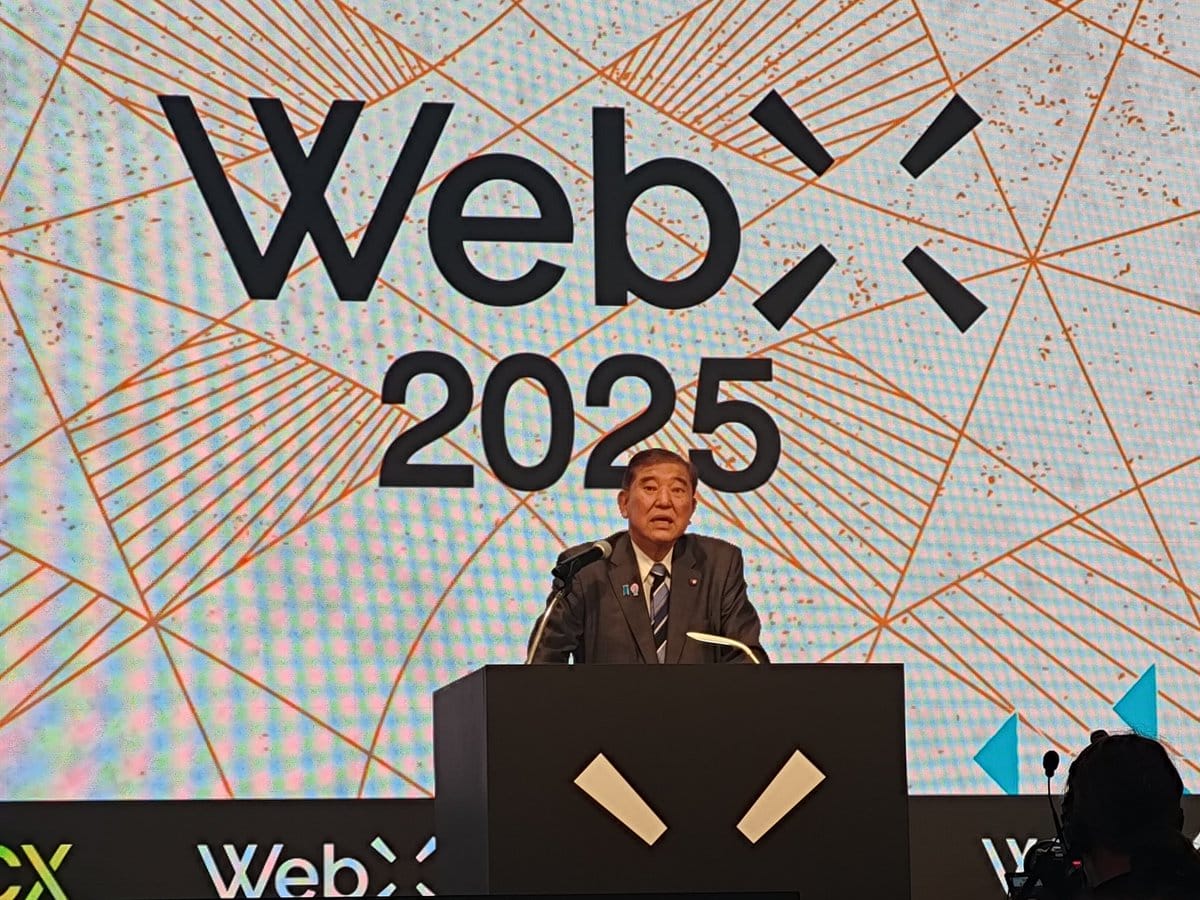
Picture this: You're sipping a lukewarm latte in a dimly lit café, scrolling through your feed, and suddenly, the term "Web3" pops up like an uninvited guest at a dinner party. What is it, exactly? Is it the next big tech revolution, a financial frenzy, or some hybrid beast that's equal parts Silicon Valley dream and Wall Street nightmare? Let's unpack this with a lazy afternoon vibe, shall we? Fresh off a whirlwind trip to Europe—where I huddled with core collaborators, from devs tinkering on cutting-edge protocols to CEX operators and financial investors plotting their next moves—I've just touched down in Japan, right in time for the WebX conference kicking off today, August 25th, at The Prince Park Tower in Tokyo. ETH has just shattered its all-time high, surging past $4,956 amid whale accumulations of $1.67 billion, but as prices start to retreat after that euphoric smash near $4,950, I'm reminded of my role in all this chaos. As a builder on a security infrastructure project, whether ETH's lounging at $1,000 or skyrocketing to $5,000, we're committed to grinding it out with Ethereum Foundation devs—real collaboration, not just hype-chasing. It's the builder's creed in this volatile digital sprawl.
First off, Web3 isn't just a buzzword—it's the blueprint for a sprawling digital city. Think of it as the infrastructure and institutional package for a decentralized online world: blockchain as the sturdy roads and bridges, smart contracts as the automated rulebooks ensuring fair play, and DAOs (decentralized autonomous organizations) as neighborhood councils where everyone gets a vote, no ties required. It's an open IT upgrade from Web2's corporate fortresses—those walled gardens where tech giants like Google and Meta hoard your data like dragons with treasure. Web3 promises user-owned everything: your identity, your assets, even your virtual hangouts in the metaverse. By 2025, the global Web3 market is humming along at around $34.7 billion, eyeing a whopping $414.5 billion by 2030 with a compound annual growth rate of 45.15%.
Now, contrast that with crypto, the rowdy financial district of this digital metropolis. Crypto—think Bitcoin, Ethereum, and a zoo of altcoins—is essentially Wall Street's 24/7 extension, buzzing with trades, speculations, and the occasional rug pull. It thrives on Web3's shiny new pipes but often falls back on traditional finance (like your old-school bank account) or Web2 platforms (centralized exchanges where a CEO can still hit the pause button). Global crypto ownership sits at about 12.4% in 2025, with over half a billion users dipping their toes in. But here's the kicker: While Web3 builds the city, crypto's the tenant turning the ground floor into a casino. Many folks trading crypto aren't even fully on Web3's decentralized grid—they're using apps that look suspiciously like the old web.
So, is Web3 the idealistic city planner's open IT utopia, or just crypto's backdrop for high-stakes gambling? And how do people around the world navigate this chaotic urban sprawl? From my own wanderings—I've bounced around Asia's crypto scenes, where Web3 feels like a futuristic skyline rising from regulatory fog—it's clear this isn't a one-size-fits-all metropolis. Buckle up; let's tour the blocks.
II. Web3: The Digital City's Infrastructure and Institutional Package
If Web3 were a city, it'd be the ultimate urban renewal project: tearing down the monopolistic skyscrapers of Web2 and replacing them with open-source parks where anyone can plant a tree—or code a protocol. At its core, Web3 is all about IT infrastructure on steroids. Blockchain serves as the distributed ledger, a tamper-proof foundation ensuring data flows freely without a central overlord. Smart contracts? They're the self-enforcing bylaws, automating everything from payments to governance without needing a lawyer or a judge. And DAOs let communities run the show, like a co-op board but with votes tallied on the chain.
This setup makes Web3 a "new species" of open IT base: more collaborative, less gatekept. Forget proprietary software lock-ins; protocols like Ethereum or Polkadot are like public transit systems anyone can build on. The scope sprawls from gaming (play-to-earn worlds) to healthcare (secure patient data sharing), with projections pegging the market at $1.4 trillion by 2030. It's institutional too—a package of rules fostering trust in a trustless world, reducing middlemen and their pesky fees.
Globally, developers are the architects flocking to this build site. In Asia, China's coders operate like underground urban planners, dodging bans to contribute to open-source projects that power Web3's backbone. Japan and Korea's tech scenes add sleek designs, with communities churning out innovations faster than you can say "kawaii NFT." Southeast Asia joins the fray with sheer enthusiasm, even if purchasing power is low—think crowdsourced blueprints from Manila hackerspaces. Over in Europe, the Dutch and Polish devs bring pragmatic flair, engineering efficient bridges between chains, while Switzerland's "Crypto Valley" designs the upscale districts with regulatory-friendly tweaks.
From my personal lens, I've seen this firsthand in China: devs huddled in co-working spaces, outsmarting firewalls to push code commits. It's exhilarating, like sketching a utopia on napkins during a blackout. Their open-source ethos feels like a global hackathon, where ideas cross borders effortlessly. But here's where crypto contrasts sharply: Web3's infra is built for longevity and inclusivity, while crypto often treats it like a shortcut to riches. Sure, trades happen on blockchain rails, but plenty still rely on Web2 centralized apps—think parking your Lambo in a public garage but using a valet from the old city.
In essence, Web3 isn't just tech; it's a rethinking of digital rules, making the internet feel like a communal space rather than a corporate fiefdom. But without tenants like crypto, would anyone show up to the ribbon-cutting?
III. Crypto: Wall Street's Extension, the Noisy Financial District
Ah, crypto—the glittering financial quarter where fortunes are made, lost, and sometimes rug-pulled in the blink of a block. If Web3 is the city's infrastructure, crypto is its Wall Street extension: a non-stop bazaar of digital assets, from Bitcoin's "digital gold" vaults to DeFi's automated lending kiosks. It's speculative heaven (or hell), with prices swinging like a pendulum in a storm. Remember the 2022 FTX crash? It's still giving folks PTSD, yet the market chugs on, with global users topping 560 million in 2025. Crypto leverages Web3's pipes for seamless, borderless trades, but here's the irony: A ton of activity still clings to traditional finance (fiat on-ramps via banks) or Web2 platforms (like Coinbase, where a single server glitch can halt the party).
Globally, this financial district pulses differently in each neighborhood. In Asia, East Asia's trio—China, Japan, Korea—leads the trading frenzy, like a perpetual night market where volumes dwarf the rest. Chinese users skirt bans through VPNs, while Korean exchanges buzz with retail punters. Southeast Asia's participation is broad but shallow: Lacking big bucks, folks dabble in micro-tokens for remittances or games, turning crypto into a grassroots economy. Singapore stands out as the polished penthouse, with 25% ownership rates.
The U.S. is the big-money hub: Wall Street's institutional players are the main buyers, injecting billions post-FTX recovery. With hints of deregulation under a Trump redux, it's like the financial district getting a stimulus shot—perhaps even linking arms with El Salvador's experiments. Europe plays it cooler: The Dutch and Germans trade with gusto, East Europeans like Poles code and speculate, but Nordics remain skeptical, treating crypto like a dubious investment seminar.
Then there are the rebel zones: Turkey dodges hyperinflation with crypto hedges, Argentina's streets sprout BTC ATMs like weeds, and El Salvador's Bitcoin law has banks integrating crypto by 2025, turning the whole country into a testbed city. Personally, I've watched Southeast Asians trade tiny stakes like street vendors haggling over trinkets, while imagining Argentina's crypto scene as a defiant block party against economic woes. In El Salvador, it feels like paying for pupusas with digital doubloons—quaint, but revolutionary.
Yet, crypto's flash often relies on old crutches: Centralized exchanges (Web2 relics) or fiat gateways (traditional banks), like dealers using horse-drawn carriages on Web3's high-speed rails. It's the noisy tenant keeping the lights on, but without Web3's infra, it'd be just another ghost town.
IV. Web3 and Crypto's Symbiosis: The Global Party in the Digital City
Here's where it gets fun: Web3 and crypto aren't rivals; they're codependent roommates in this digital city. Web3 provides the open infrastructure—the blockchain boulevards and smart contract stoplights—while crypto fills the streets with economic energy. Without Web3's decentralized pipes, crypto would be stuck in centralized silos; without crypto's financial buzz, Web3 might languish as a ghost infrastructure. It's a symbiosis: The 2025 Chainalysis adoption index shows Asia leading the charge, with crypto fueling Web3's growth across borders.
Tour the global city, and you'll see this dance in action. Asia's the vibrant night market district: China's devs build in the shadows, pushing Web3 protocols despite crackdowns; Japan and Korea's traders keep the financial lights blazing with massive volumes. Southeast Asia's crowds swarm in, using Web3 for play-to-earn games amid low purchasing power—it's broad participation on a budget. Singapore shines as the upscale enclave, blending infra innovation with financial savvy. From my travels, Asian crypto chats feel like wet markets: Everyone's bartering ideas, tokens, and memes, with Web3 as the invisible scaffolding.
America's the towering financial hub: Wall Street pumps institutional cash into crypto, healing from FTX scars and eyeing policy shifts—like potential ties to El Salvador's BTC experiments—that could supercharge Web3 adoption. It's greedy yet resilient; I've felt that vibe, like betting on a comeback kid in a horse race.
Europe's a patchwork of mixed blocks: The Netherlands and Poland build Web3 infra with developer zeal, trading crypto alongside. But Nordics watch warily, like landlords eyeing noisy tenants. Switzerland's Crypto Valley is the chic loft, merging Swiss precision with blockchain bridges. Personally, German crypto convos were lively over beers, but Nordic chats veered to safer topics—like welfare stats over wallet balances.
The rebel outskirts steal the show: Turkey, Argentina, and El Salvador treat crypto as a lifeline for crumbling economies. Turkey hedges against lira dives, Argentina's ATMs boom amid inflation, and El Salvador's Bitcoin integration (now in banks by 2025) turns the nation into a crypto experiment zone. Brazil tokenizes 130 million assets, Nigeria stakes like pros—crypto here patches financial potholes, with Web3 providing the durable roads. I can picture El Salvador's Bitcoin Beach as a surf town where waves meet wallets—thrilling, if a bit wave-y.
Of course, risks loom like urban hazards: Crypto's volatility digs potholes, Web2 dependencies create traffic jams, and regulations vary wildly (China's bans vs. El Salvador's hugs). But the opportunities? Web3's open infra could redefine global economies, with crypto as the spark.
V. Conclusion: Don't Rush to Move Into This Digital City—Sip Your Coffee and Ponder
In the end, Web3 emerges as the digital city's open IT infrastructure and institutional overhaul: a blueprint for a more equitable online world. Crypto? It's the flashy Wall Street extension, injecting life (and chaos) but often leaning on yesterday's crutches like Web2 apps or traditional banks. Together, they're a new species of industry—symbiotic, sprawling, and full of global quirks, from Asia's hustle to El Salvador's gamble.
What does it mean for us? Builders, dive into Web3's code; traders, brace for crypto's swings. Policies will shape the skyline—Asia innovates, America invests, rebels like El Salvador pioneer. From my jaunts through this metropolis, including this very moment at WebX amid ETH's wild ride, it's dizzying: I've nearly lost my (digital) wallet in Asian markets, pondered Europe's caution, and admired Latin America's grit. As a security infra builder, teaming up with EF devs isn't about the price tickers—it's about constructing a resilient foundation, come bull or bear. Thrilling, but not without bumps.
So, before packing your bags for this city, grab another coffee. Share your tales—did you strike gold in the financial district or get lost in the infra maze? Who knows, maybe Web4 will fix the traffic.
